Discover 10 unique camp craft ideas perfect for kids and adults. From nature art to classic camp keepsakes, elevate your outdoor crafting adventure!
Remember the magic of sitting at a rustic wooden picnic table under the shade of towering pine trees, sticky pine needles underfoot, and a bottle of school glue in hand? There is something entirely timeless about camp crafts. They bridge the gap between untamed outdoor adventure and mindful, artistic expression.
However, if you are a camp counselor, a parent planning a backyard camp-out, or an outdoor educator, you know the ultimate struggle. Keeping a diverse group of kids—or even adults—engaged with the same old, repetitive plastic bead projects can quickly lead to boredom and restless energy. The challenge is finding activities that are affordable, low-mess, environmentally conscious, and genuinely exciting.
The solution? Infusing classic outdoor traditions with innovative, nature-based twists. In this ultimate guide, we unpack 10 unique camp craft ideas that honor the spirit of the great outdoors, use accessible materials, and yield gorgeous keepsakes that campers will actually want to display proudly at home.
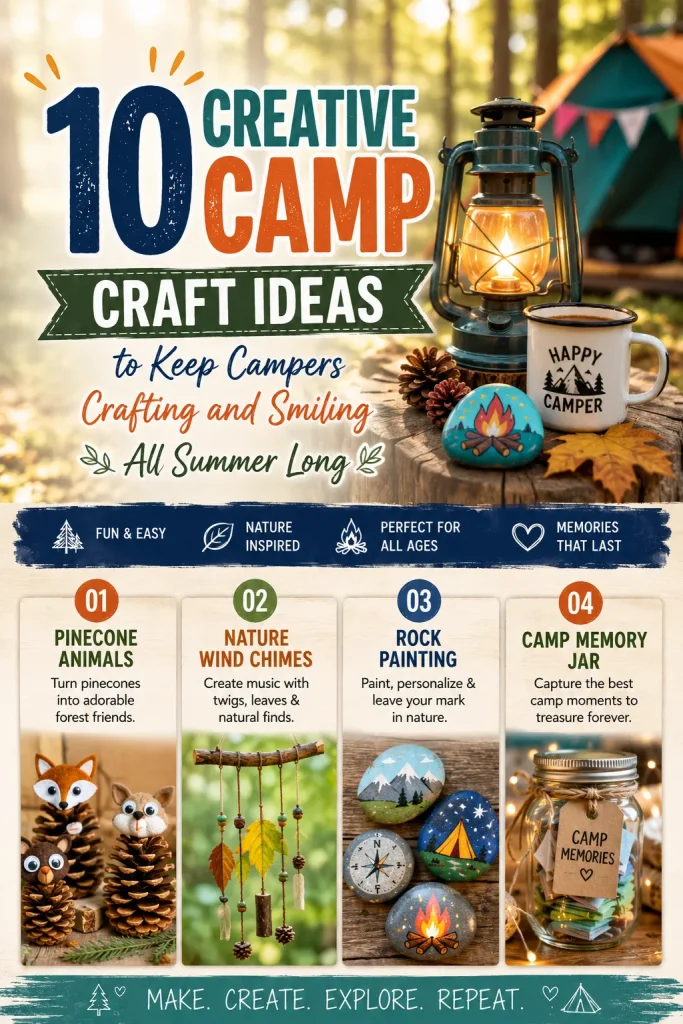
Why Crafting is an Essential Part of the Camp Experience
Before we dive into the projects, let’s look at why arts and crafts remain a foundational pillar of camp culture. It isn’t just about filling time between canoeing and archery.
- Encourages Sensory Exploration: Using items found on the forest floor—like twigs, bark, leaves, and stones—connects campers directly with their local ecosystem.
- Builds Fine Motor Skills: Weaving, knotting, painting, and sculpting improve hand-eye coordination away from digital screens.
- Fosters Social Bonding: Gathering around a crafting table naturally sparks conversations, encourages sharing, and builds a supportive community.
10 Inspiring Camp Craft Ideas for Your Next Adventure
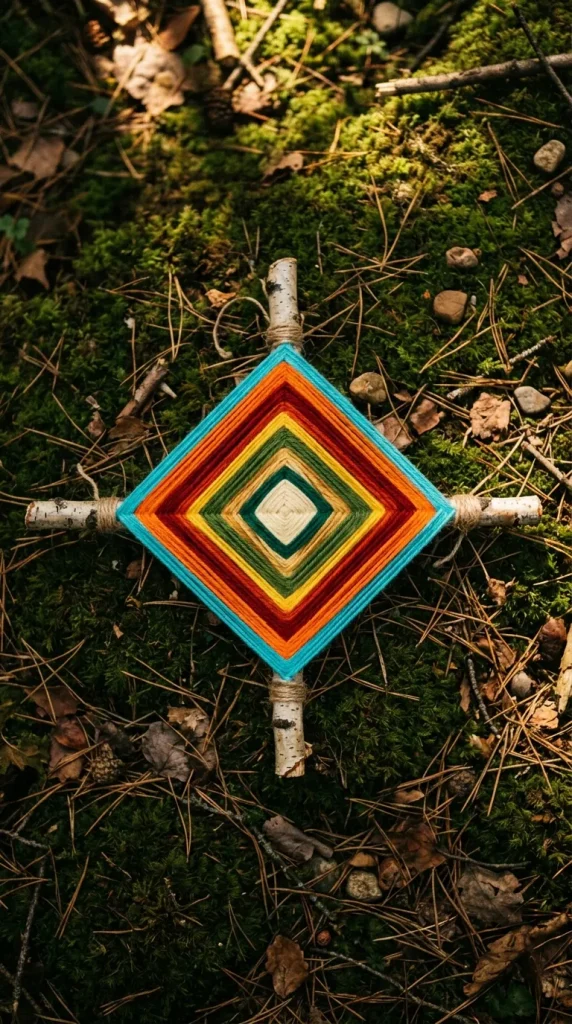
1. The Classic God’s Eye (Ojo de Dios) Wood and Yarn Weaving
A true staple of traditional summer camps, the God’s Eye uses crossed twigs and vibrant yarn to create stunning geometric patterns. It originates from the Huichol people of Mexico, symbolizing protection and insight.
- Who It Suits Best: Perfect for young campers (ages 5+) as an introductory weaving project, as well as older kids looking to experiment with complex color patterns.
- Crafting Tips: Gather sturdy, dried fallen branches rather than green wood, which can bend and warp as it dries. Secure the center intersection with a tight double knot before starting your over-and-under weaving pattern.
- Benefits: Highly cost-effective, teaches rhythmic pattern recognition, and acts as a beautiful, vibrant hanging decoration for tents or bedrooms.
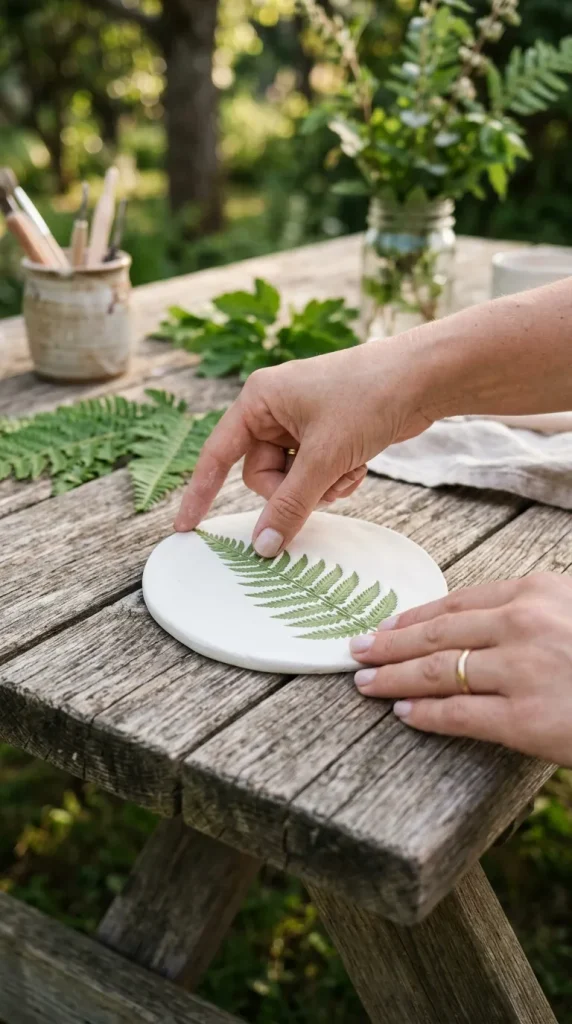
2. Nature-Imprinted Clay Pocket Stones
Instead of just collecting rocks, campers can create their own custom medallions using air-dry clay. By pressing wild ferns, evergreen needles, or textured tree bark into the soft clay, they preserve a tactile memory of the campsite.
- Who It Suits Best: Nature lovers, tactile seekers, and older youth who appreciate fine details and textures.
- Crafting Tips: Roll the clay into smooth, flat disks about a quarter-inch thick. Apply even pressure when pressing leaves or flora into the surface, then peel them back slowly to reveal the intricate vein patterns.
- Benefits: Lightweight compared to real stones, customizable with names or dates using a toothpick, and fully paintable once cured.
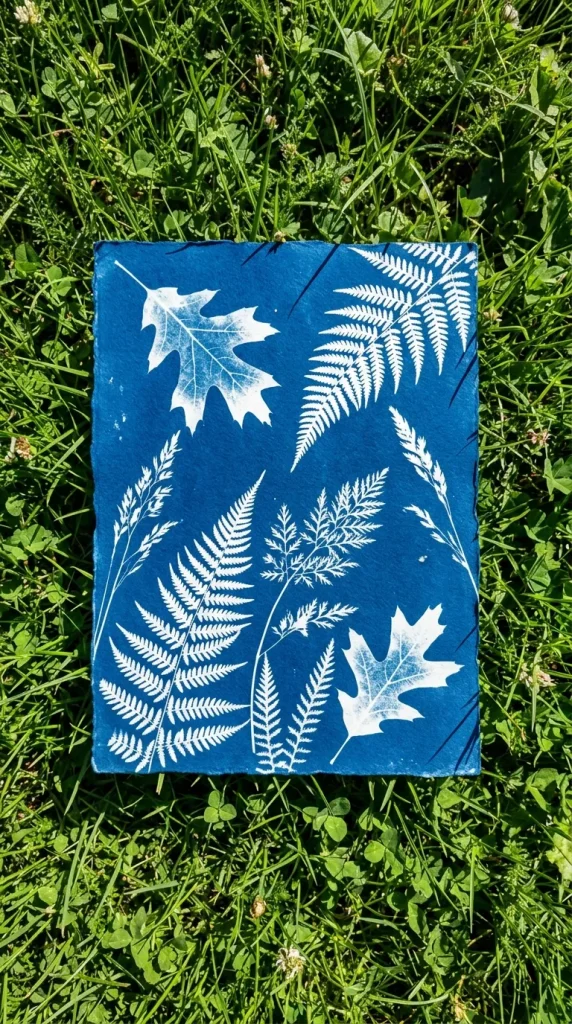
3. Solar-Printed Sunography Leaf Art
Harness the power of the sun! Sunprint paper (cyanotype paper) undergoes a chemical reaction when exposed to UV light. By arranging local foliage on the paper and placing it in bright sunlight, campers create striking, deep blue architectural prints of nature.
- Who It Suits Best: Science-minded kids, teenagers, and counselors looking for a mesmerizing, fast-acting project.
- Crafting Tips: Set up your composition indoors or under a heavy shadow first. Once you step into the sun, hold the leaves flat against the paper using a clear acrylic sheet or plastic wrap to prevent the wind from blurring the edges.
- Benefits: Introduces basic chemistry concepts, requires zero paint or glue, and results in framing-worthy, professional-looking artwork.
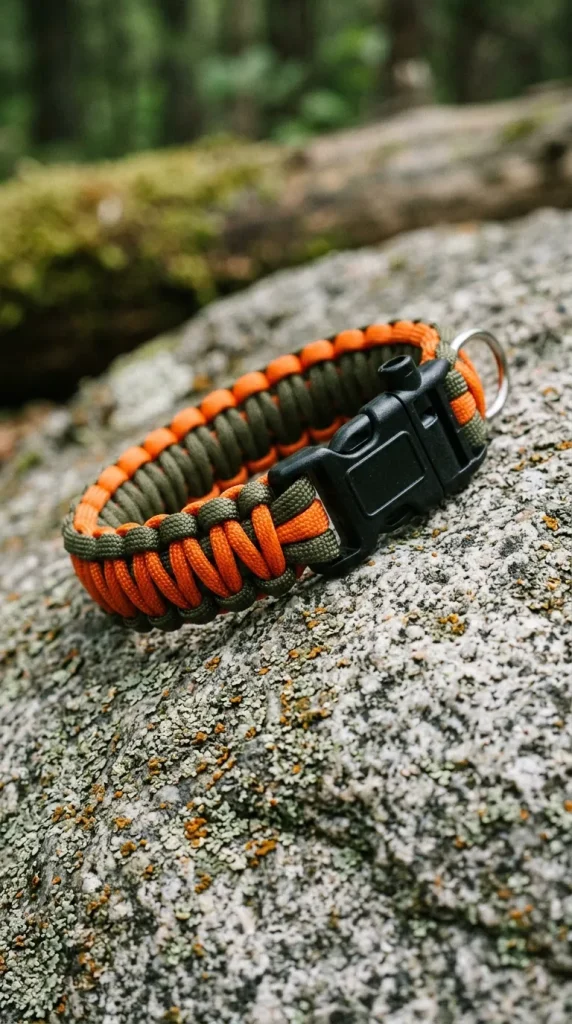
4. Paracord Survival Wilderness Bracelets
Practical meets fashionable. Woven from durable 550 paracord and completed with a heavy-duty plastic whistle buckle, these bracelets can be unraveled in emergency scenarios to secure a shelter, fix gear, or act as a tourniquet.
- Who It Suits Best: Older kids, teens, adventure campers, and scouts who love wilderness survival tactics.
- Crafting Tips: Measure the camper’s wrist accurately before starting the cobra weave. Leave an extra half-inch of slack so the thick cord doesn’t constrict blood flow when fully braided.
- Benefits: Highly functional, boosts self-reliance awareness, and serves as a rugged, wearable token of camp life.
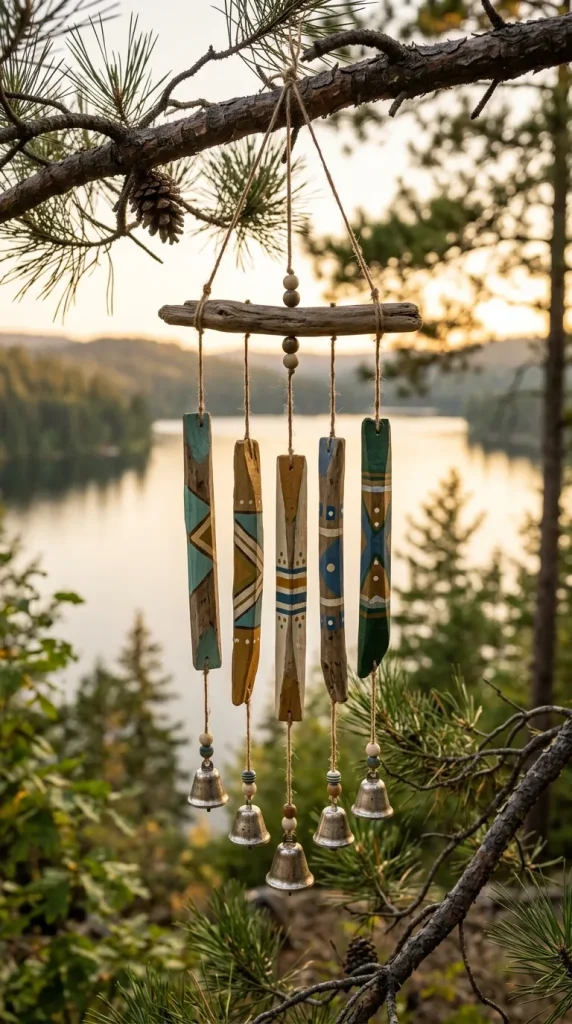
5. Painted Driftwood and Stick Wind Chimes
Bring the music of the forest home. Campers gather dry sticks or smooth river driftwood, paint them with bright geometric patterns, and suspend them from a primary support branch using colorful embroidery floss and small metal washers or bells.
- Who It Suits Best: Free-spirited creators, music lovers, and group collaborative sessions where campers can trade painted pieces.
- Crafting Tips: Seal the painted sticks with an eco-friendly outdoor Mod Podge or water-based sealer to protect the acrylic colors from wind and light rain.
- Benefits: Upcycles natural debris, creates a soothing auditory keepsake, and encourages experimentation with color theory.
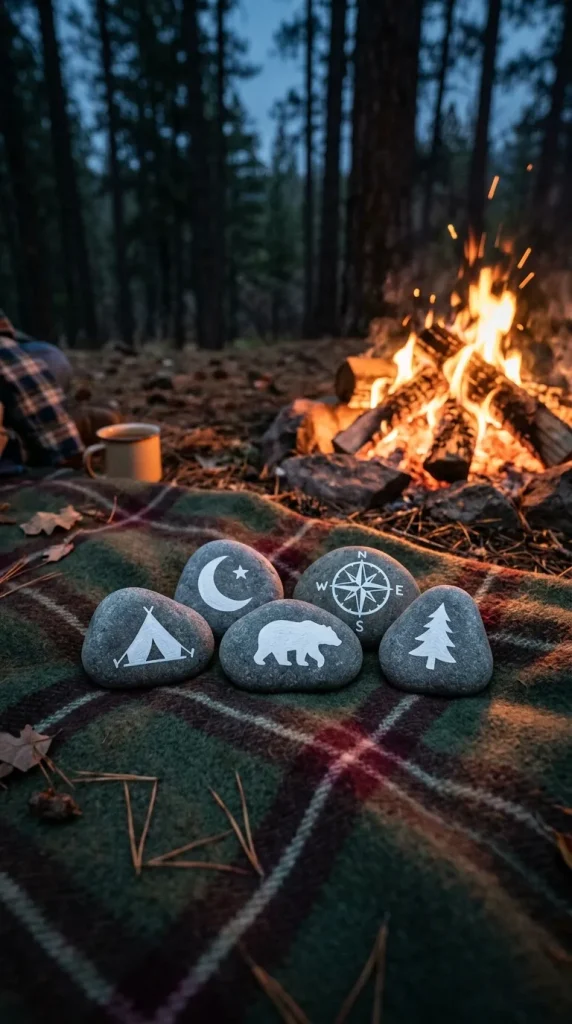
6. Whimsical Painted Campfire Story Stones
Story stones are smooth, flat river rocks painted with simple icons—like a tent, a shooting star, a bear, or a campfire. At night, campers draw random stones from a pouch and use the symbols to improvise tall tales around the real campfire.
- Who It Suits Best: Imaginative thinkers, writers, actors, and younger campers during winding-down evening hours.
- Crafting Tips: Look for light-colored, water-smoothed stones. Use acrylic paint pens instead of traditional brushes for finer control over tiny details and outlines.
- Benefits: Boosts public speaking confidence, stretches creative writing muscles, and provides an endless supply of campfire entertainment.
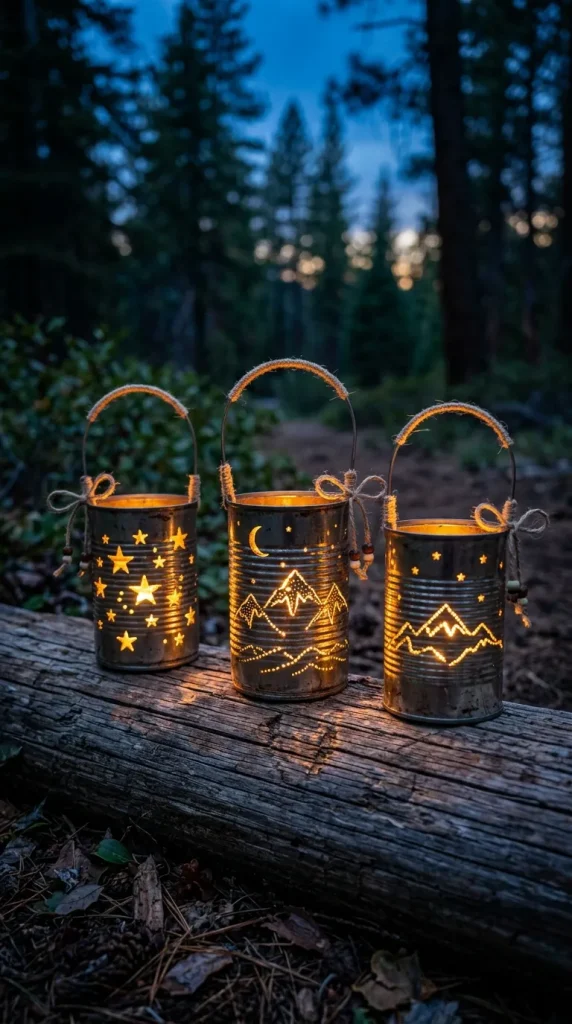
7. Upcycled Tin Can Eco-Lanterns
Turn clean, discarded tin food cans into stunning candle or LED light holders. By filling the cans with water, freezing them solid, and using a hammer and nail to punch custom starburst or mountain patterns, campers create safe, glowing camp lanterns.
- Who It Suits Best: Intermediate campers (ages 9+) who can safely handle tools under close adult supervision.
- Crafting Tips: Freezing the water inside the can is a vital step; the ice acts as a solid support structure, preventing the thin metal can from crushing or denting inward when you strike it with a nail.
- Benefits: Teaches the value of upcycling, provides a functional nightlight for dark cabins, and looks magical when lit with a flickering tea light.
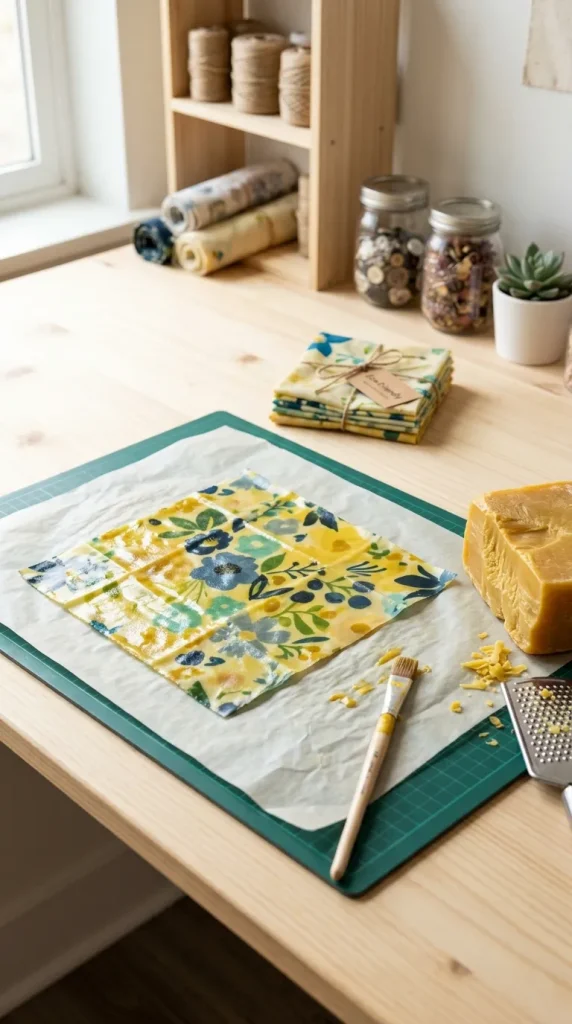
8. Eco-Friendly Beeswax Leaf Wraps
A brilliant modern camp craft that merges utility with environmental stewardship. Campers brush melted cosmetic-grade beeswax, a drop of jojoba oil, and powdered pine rosin onto 100% cotton fabric squares, creating reusable, moldable food wraps to replace plastic cling wrap.
- Who It Suits Best: Eco-conscious camps, older youth, and green-living advocates.
- Crafting Tips: Place the cotton fabric between two sheets of parchment paper before running an iron or a craft heat tool over it. This spreads the melted wax evenly into the fibers without ruining your equipment.
- Benefits: Reduces single-use plastic waste, teaches sustainable lifestyle choices, and keeps camp snacks perfectly fresh.
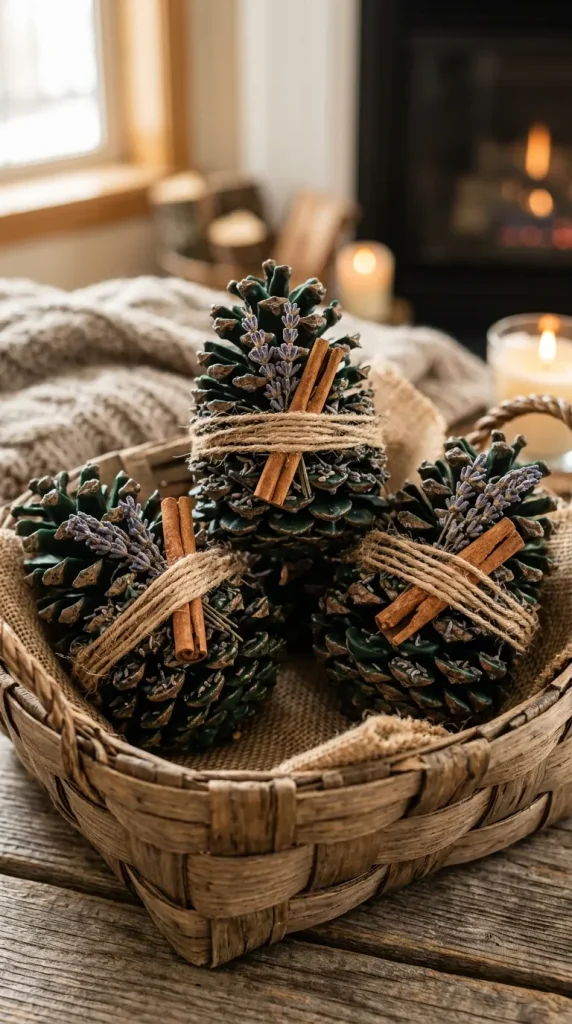
9. Intricate Pinecone Fire Starters
A wonderful functional craft for the cooler autumn camp months. Campers wrap cotton candle wicks around large, open pinecones, dip them into melted leftover candle wax, and sprinkle them with dried sage, cinnamon, or lavender.
- Who It Suits Best: Families, cold-weather backpackers, and older youth handling hot wax stations.
- Crafting Tips: Ensure your pinecones are fully dry and baked briefly in a low-temperature oven to clear out any hidden sap or forest bugs before dipping them.
- Benefits: Makes lighting fires incredibly easy, smells divine when burning, and clears the forest floor of excess debris.
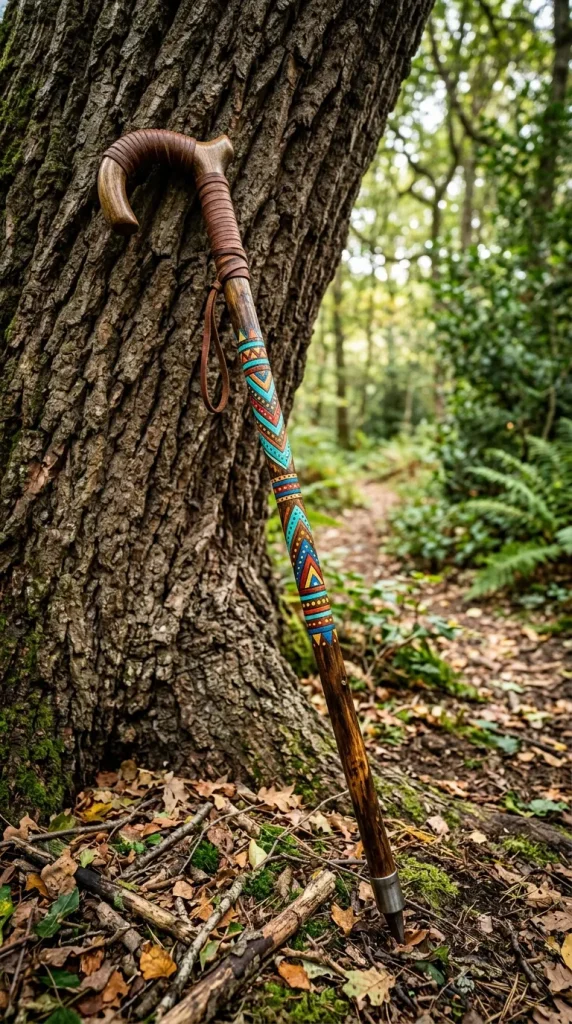
10. Hand-Carved Walking Stick Totems
Every hiker needs a trusted companion. Campers search for a straight, sturdy fallen branch of appropriate height, strip the rough outer bark using sandpaper or a safe whittling tool, and paint or carve personalized symbols along the length of the staff.
- Who It Suits Best: Backpackers, hikers, and long-term campers who want a multi-day project to chip away at slowly.
- Crafting Tips: Wrap the handle area tightly with soft leather cording or paracord to prevent blisters during long trail hikes. Add a rubber cane tip to the bottom to protect the wood from fraying on rocky trails.
- Benefits: Encourages physical fitness and trail hiking, offers deep pride in self-made gear, and lasts a lifetime.
Camp Craft Management: Time, Cost, and Supervision
To help you seamlessly integrate these camp craft ideas into your daily schedule, use this convenient comparison table to gauge resources and safety protocols:
| Camp Craft Idea | Average Time | Difficulty Level | Materials Cost | Supervision Required |
| 1. Yarn God’s Eye | 45 Minutes | Low | Very Low | Minimal |
| 2. Clay Pocket Stones | 30 Mins (+ Dry Time) | Low | Low | Minimal |
| 3. Sunography Prints | 20 Minutes | Medium | Medium | Moderate |
| 4. Survival Bracelets | 60 Minutes | Medium | Low | Moderate |
| 5. Stick Wind Chimes | 1 Hour | Low | Low | Minimal |
| 6. Story Stones | 45 Minutes | Low | Very Low | Minimal |
| 7. Tin Can Lanterns | 1.5 Hours (Plus Freeze) | High | Very Low | High (Hammer/Nails) |
| 8. Beeswax Wraps | 45 Minutes | High | Medium | High (Heat Element) |
| 9. Pinecone Fire Starters | 30 Minutes | Medium | Low | High (Hot Wax) |
| 10. Walking Sticks | 3+ Hours (Multi-day) | High | Low | High (Whittling) |
Expert Pro-Tips for Crafting in the Great Outdoors
The Leave No Trace Crafting Rule: The best camp craft sessions leave the natural world looking exactly as it did before you unpacked the supplies.
To ensure your crafting session runs like clockwork, follow these industry secrets from experienced camp directors:
- Embrace the Drop Cloth: Always lay down a heavy canvas drop cloth over wooden picnic tables. It catches stray paint, spilled glue, and loose yarn, making clean-up incredibly swift.
- Organize with Muffin Tins: Use metal or silicone muffin tins to separate beads, markers, scissors, and small paint pots. It keeps materials from blowing away in sudden gusts of wind.
- Label Instantly with Masking Tape: Keep a roll of masking tape and a permanent marker handy. Label every single camper’s project immediately, as many nature crafts will look nearly identical during the drying process.
Common Camp Craft Mistakes to Avoid
- Foraging Living Plants: Never allow campers to strip leaves, break branches, or pick wild flowers directly off living bushes and trees. Teach them to search exclusively for fallen treasures on the ground.
- Ignoring the Elements: High humidity will delay paint and air-dry clay drying times significantly. Always have a secure, covered screen porch or cabin area to shelter curing crafts from unexpected rainstorms or midnight dew.
- Over-Structuring the Design: Avoid forcing every camper’s project to look like a carbon copy of your prototype. The beauty of camp crafts lies within individual quirkiness, asymmetry, and unique self-expression.
Frequently Asked Questions
What are the best camp crafts for rainy days inside a cabin?
On rainy days, look for projects that don’t rely on outdoor drying or foraging. The Yarn God’s Eye, Paracord Survival Bracelets, and Story Stones are incredible indoor options because they use tidy, dry materials that won’t ruin cabin floors.
How do you keep camp craft costs down for large groups?
The easiest way to save money is by sourcing your foundations directly from nature (sticks, stones, pinecones, and driftwood). Spend your limited budget strictly on high-quality structural binders like acrylic paint pens, strong embroidery thread, or heavy-duty craft glue.
Can these camp crafts be adapted for virtual or backyard camps?
Absolutely! Parents can easily replicate these activities by exploring local neighborhood parks or backyards for materials. For virtual camps, you can mail out a small kit containing the non-natural essentials (yarn, clay, paracord) and challenge kids to hunt down the wood and stones locally.
Conclusion: Pack Your Imagination and Craft On!
Camp crafts are far more than a simple souvenir to tuck away in a backpack at the end of the week. They are physical anchors to laughter shared across picnic tables, stories swapped under starry skies, and the profound joy of creating something beautiful with one’s own two hands.
Whether you choose to spin vibrant yarn into a protective God’s Eye or punch glowing mountain constellations into a recycled tin lantern, these projects build memories that withstand the test of time.
Which of these camp craft ideas are you eager to try out with your crew this season? Let us know your favorite outdoor DIY memories in the comment section below, and share this guide with your fellow outdoor educators!