Discover 10 no-investment online business ideas for beginners, including freelancing, virtual assistance, affiliate marketing, content creation, tutoring, and digital services.
no investment online business ideas, online business ideas for beginners, start online business with no money, no money business ideas, online business without investment, online side hustles, beginner online business, make money online
Starting an online business can sound expensive when you think about websites, advertising, inventory, software, and other business costs. However, not every online business requires a large amount of money to get started.
Some beginner-friendly online businesses can be started by using skills, free tools, social media platforms, and your existing devices. Instead of investing money upfront, you can invest your time into learning a skill, creating useful content, finding customers, and building your online presence.
Of course, “no investment” doesn’t mean absolutely no cost in every situation. You may eventually choose to pay for premium software, a domain, advertising, or other tools as your business grows. But you can often test an idea before spending significant money.
If you’re a student, stay-at-home parent, freelancer, or simply someone who wants to explore online entrepreneurship, these 10 ideas can give you a practical place to start.

1. Start a Freelance Service
Freelancing is one of the simplest online businesses to start because you can sell a skill you already have.
Instead of creating a physical product, you provide a service to clients and charge for your time and expertise.
Services You Can Offer
- Writing
- Graphic design
- Video editing
- Web design
- Data entry
- Translation
- Social media management
- Pinterest management
- Virtual assistance
- Presentation design
You can create sample work using free tools and use those examples to build a basic portfolio.
Beginner Tip
Don’t try to offer 20 different services at once. Choose one skill, create a clear offer, and focus on finding people who need that particular service.

2. Become a Virtual Assistant
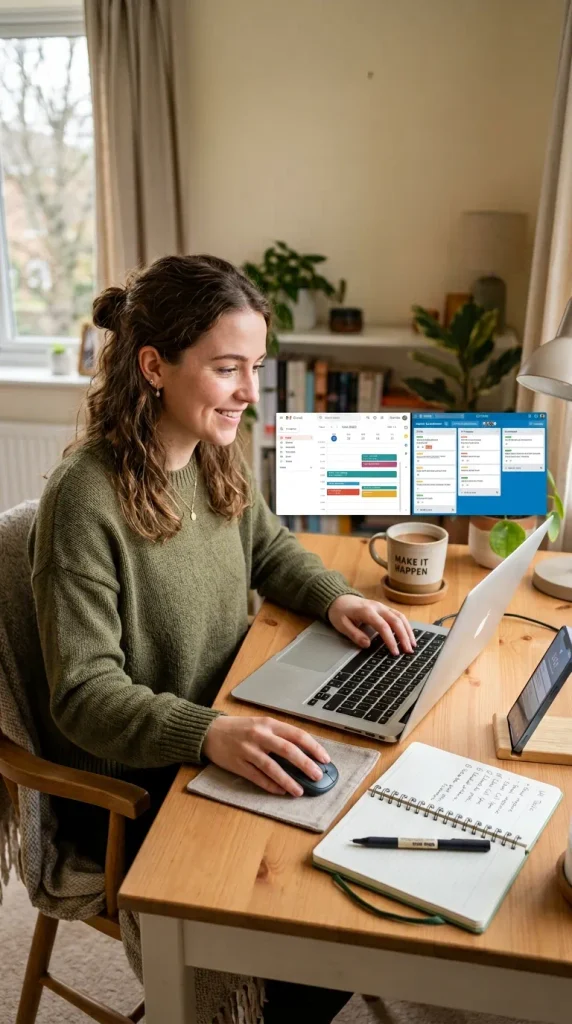
A virtual assistant provides remote administrative and digital support to businesses, entrepreneurs, creators, or professionals.
This can be started with basic organizational skills and free productivity tools.
Tasks May Include
- Managing emails
- Scheduling appointments
- Organizing files
- Online research
- Creating spreadsheets
- Managing calendars
- Customer communication
- Social media assistance
As you gain experience, you can specialize in a particular type of virtual assistance.
Example
You could focus on helping small bloggers organize emails, schedules, and content calendars.
3. Start Affiliate Marketing
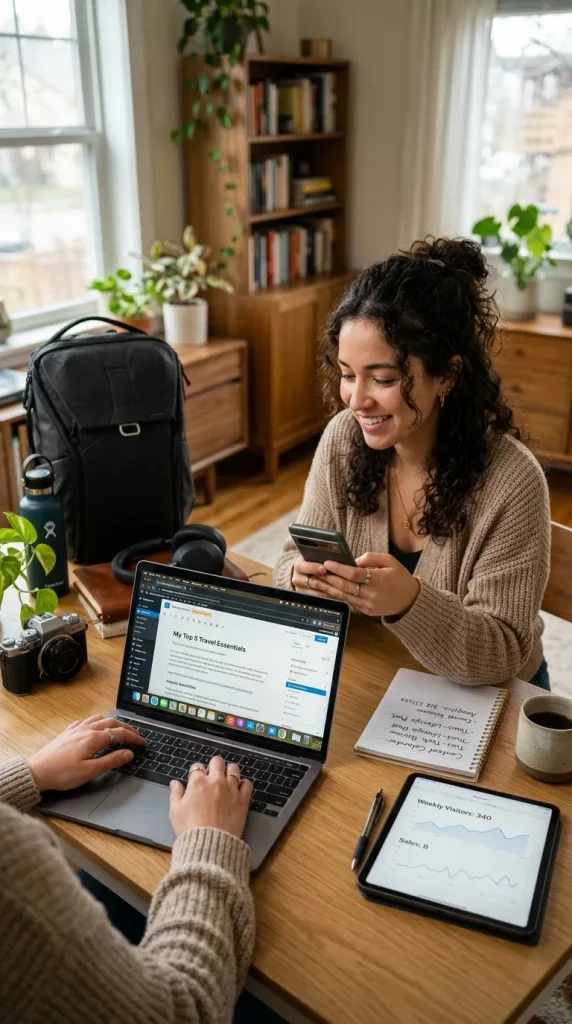
Affiliate marketing is another online business model that can be started without creating your own physical products.
The basic idea is to recommend products or services using affiliate links. When someone makes a qualifying purchase or completes another eligible action through your link, you may earn a commission.
Ways to Promote Affiliate Products
- Blog articles
- Pinterest content
- Social media
- Videos
- Email newsletters
- Helpful product guides
Example
If you create content about home decor, you could write an article about cozy bedroom essentials and include relevant affiliate recommendations.
Important
Always read the affiliate program’s rules and follow applicable disclosure requirements. Don’t promote products simply because they pay a commission—choose products that are genuinely relevant to your audience.
4. Offer Social Media Management
If you’re comfortable using social media, you can turn that knowledge into an online service.
Small businesses often need help maintaining their online presence but may not have the time to create and organize content themselves.
Services You Can Offer
- Content planning
- Caption writing
- Graphic creation
- Scheduling posts
- Community management
- Short-form video editing
- Basic analytics
- Content research
How to Start
Create sample posts for a fictional business or redesign sample content for practice. These examples can become part of your portfolio.
Beginner Tip
Choose one or two platforms to specialize in instead of trying to manage every social network.

5. Become a Pinterest Manager
Pinterest knowledge can be turned into a specialized online service.
Bloggers, creators, online stores, and small businesses may need assistance with creating and organizing Pinterest content.
Pinterest Services
- Pin creation
- Keyword research
- Board organization
- Pinterest SEO
- Content planning
- Pin scheduling
- Account optimization
- Analytics reporting
How to Build Experience
You can practice by creating content for your own Pinterest account. Save examples of your designs and document your learning to create a beginner portfolio.
Why It’s Interesting
Pinterest combines visual content, search, and traffic generation, making it useful for many content-based businesses.

6. Create Online Content
Content creation can become an online business when you consistently create useful or entertaining content around a specific niche.
You can begin with a smartphone and free editing tools.
Content Ideas
- Beauty tips
- Fashion
- DIY crafts
- Home decor
- Recipes
- Study tips
- Productivity
- Technology
- Travel
- Lifestyle
Potential Income Sources
As your audience grows, possible monetization options can include:
- Affiliate marketing
- Sponsorships
- Advertising
- Digital products
- Services
- Memberships
Building an audience takes time, so focus on providing value rather than expecting immediate income.

7. Start Online Tutoring
If you’re knowledgeable about a subject, you can turn that knowledge into an online tutoring business.
You can teach through video calls, educational platforms, or private online sessions.
Subjects to Consider
- Mathematics
- English
- Science
- Computer skills
- Programming
- Languages
- Art
- Music
- School subjects
Find Your Niche
Instead of advertising yourself as a tutor for everyone, choose a specific audience.
For example:
“Beginner computer lessons for adults.”
or
“Math tutoring for middle school students.”
A specific offer makes it easier for potential students to understand what you provide.

8. Sell Your Creative Skills
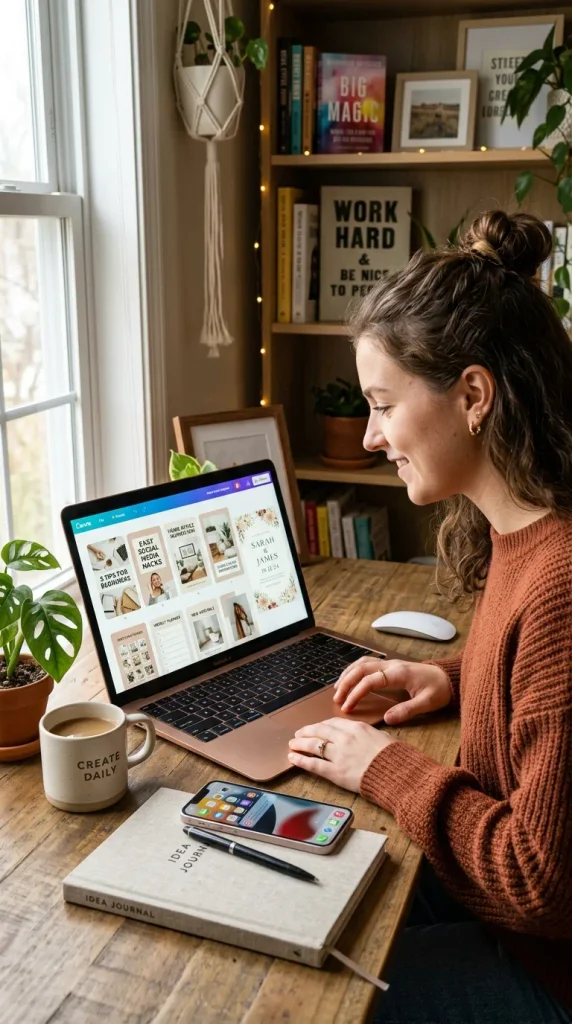
If you enjoy creating things, you can build an online business around creative services.
You don’t necessarily need expensive equipment to begin with simple digital services.
Creative Services
- Pinterest pin design
- Social media graphics
- Invitations
- Presentation design
- Thumbnail design
- Basic photo editing
- Digital illustrations
- Resume design
- Printable design
Free or low-cost design tools can help you practice and create portfolio samples.
Beginner Strategy
Choose a specific service and create 5–10 impressive examples before looking for customers.
9. Start a Blog
Blogging can be started on a small budget, and you can first focus on developing your content strategy before making significant investments.
Choose a niche where you can consistently create useful articles.
Popular Blog Niches
- Home decor
- Fashion
- Beauty
- DIY
- Food
- Travel
- Education
- Productivity
- Technology
- Lifestyle
Ways to Monetize a Blog
Once you build an audience, potential income sources include:
- Affiliate marketing
- Display advertising
- Sponsored content
- Digital products
- Online services
- E-books
Pinterest Strategy
Pinterest can be particularly useful for visual blog niches because individual articles can be turned into multiple pins.
For example, one article titled “10 Small Bedroom Decor Ideas” could inspire several different pin designs.

10. Sell Your Knowledge as a Digital Resource
You don’t always need to create a large online course to monetize your knowledge.
You can start with a small digital resource that solves one specific problem.
Ideas
- Checklists
- Guides
- E-books
- Study notes
- Templates
- Workbooks
- Planners
- Tutorials
- Resource lists
- Beginner guides
For example, someone experienced with budgeting could create a simple monthly budgeting worksheet.
Someone skilled in social media could create a 30-day content planning template.
Start Small
Your first product doesn’t need to be a 100-page guide. A useful 5–10 page resource can be a good way to test whether people are interested in your topic.

How to Start an Online Business With No Money
Starting without a large budget requires a slightly different strategy.
Step 1: Use What You Already Have
Start with your existing smartphone, computer, internet connection, knowledge, and skills.
Step 2: Choose a Service or Product
A service can often be easier to test because you don’t need to create inventory.
Step 3: Use Free Tools
Take advantage of free versions of design, communication, productivity, and content-creation tools where they meet your needs.
Step 4: Create a Portfolio
Build examples that demonstrate what you can do.
Step 5: Find Your First Customers
Reach out through professional networking, social media, freelance platforms, communities, or your existing network.
Step 6: Reinvest Your First Earnings
Once you make money, consider using a portion to improve your tools, website, education, or marketing.
No-Investment Online Business Ideas Based on Your Skills
If You’re Good at Writing
Try:
- Freelance writing
- Blogging
- Copywriting
- Editing
- E-book creation
If You’re Creative
Try:
- Graphic design
- Pinterest design
- Digital products
- Content creation
If You’re Organized
Try:
- Virtual assistance
- Social media management
- Online research
- Administrative services
If You’re Good at Teaching
Try:
- Online tutoring
- Educational content
- Study resources
- Digital guides
If You’re Technical
Try:
- Website development
- Basic tech support
- Web design
- Digital services
Advantages of Starting With Little or No Money
Starting small can have several benefits.
Lower Financial Risk
You aren’t committing a large amount of money before knowing whether your idea works.
Easier to Experiment
You can test different services, niches, and audiences.
Learn Valuable Skills
Running even a small online business can teach you marketing, communication, customer service, organization, and sales.
Flexible Schedule
Many online businesses can be worked on around school, employment, or other responsibilities.
Things to Remember
“No investment” doesn’t mean “no effort.”
You may not need much money initially, but you will need to invest time, learning, consistency, and patience.
Also remember that some online platforms charge fees, and certain businesses may eventually require expenses such as website hosting, software subscriptions, payment processing, advertising, or business registration depending on your location and setup.
Be especially careful with opportunities that promise guaranteed income for almost no work or ask you to pay money before receiving a supposed job.
Final Thoughts
Starting an online business doesn’t always require a big budget. Many beginners can start by turning an existing skill, interest, or area of knowledge into a service or digital product.
The best low-cost opportunities include freelancing, virtual assistance, affiliate marketing, social media management, Pinterest management, content creation, online tutoring, creative services, blogging, and digital resources.
Instead of waiting until you have the perfect equipment or a large budget, start by testing one simple idea. Create something useful, find a specific audience, and learn from the results.
As your business grows, you can reinvest your earnings into better tools and expand your services or products.
The goal isn’t to spend the most money. It’s to solve a real problem, provide genuine value, and build something people are willing to pay for.