Keep screen time low and creativity high with these 10 easy summer crafts for kids. Includes step-by-step tips, material lists, and expert advice!
summer crafts for kids, easy crafts for children, DIY summer activities, recycled kid crafts, outdoor summer art projects, sensory activities for kids.
Summer break is the ultimate double-edged sword for parents and caregivers. On one hand, it is a beautiful stretch of long, sunny days and a well-deserved break from school schedules, morning alarms, and homework stress. On the other hand, it usually takes less than a week before those dreaded words echo through the house: “I’m bored!”
While it is incredibly easy to hand over a tablet or turn on the TV to keep little hands occupied, too much screen time often leads to sensory overload and restless energy. The challenge isn’t just finding something for your kids to do; it’s finding high-quality, engaging activities that stimulate their imagination, build fine motor skills, and keep them genuinely entertained without causing a massive, unmanageable mess in your kitchen.
If you are looking for a screen-free sanity saver, you are in the right place! Crafting is one of the best ways to channel that vibrant summer energy into beautiful, tangible keepsakes. This ultimate guide breaks down 10 fantastic summer crafts for kids, using simple household items and affordable supplies. We will look at who each project is best for, what you need, and how to minimize the cleanup so you can enjoy a creative, stress-free summer together.

The Ultimate Craft Comparison: Project Overview at a Glance
Before we break down each individual activity, here is a quick cheat sheet detailing the time commitment, mess level, and general age appropriateness for each summer project.
| Craft Project | Prep & Creation Time | Mess Level | Best Age Group | Primary Materials Needed |
| 1. Rainbow Paper Plate Fans | 20–30 Minutes | Low | Toddlers & Preschoolers | Paper plates, paint, popsicle sticks |
| 2. Upcycled Tissue Roll Binoculars | 15–20 Minutes | Low | Preschoolers to Early Elementary | Toilet paper rolls, twine, markers |
| 3. Vibrant Sand Art Jars | 30–45 Minutes | Medium | Elementary (Ages 6–10) | Mason jars, colored sand or salt, funnel |
| 4. DIY Sun Catchers | 30–40 Minutes | Medium | All Ages (With supervision) | Contact paper, tissue paper scraps |
| 5. Ocean Zone Sensory Bottles | 15–20 Minutes | Medium | Toddlers to Elementary | Plastic bottles, water, oil, blue dye |
| 6. Nature-Print Canvas Art | 45–60 Minutes | High | Elementary to Pre-Teens | Canvas or heavy paper, acrylic paint, leaves |
| 7. Tie-Dye Watercolor Towels | 30–45 Minutes | High | Elementary to Pre-Teens | White flour sack towels, liquid watercolors |
| 8. Recycled Thermocol Plant Pots | 30–40 Minutes | Medium | All Ages | Clean foam bowls, acrylic paint, seeds |
| 9. Homemade Bird Feeders | 20–30 Minutes | Medium | Preschoolers to Elementary | Pinecones or cardboard tubes, birdseed |
| 10. Seashell Memory Mandalas | 30–60 Minutes | Low | All Ages | Beach finds, salt dough or cardboard base |
10 Incredible Summer Crafts for Kids
1. Rainbow Paper Plate Fans
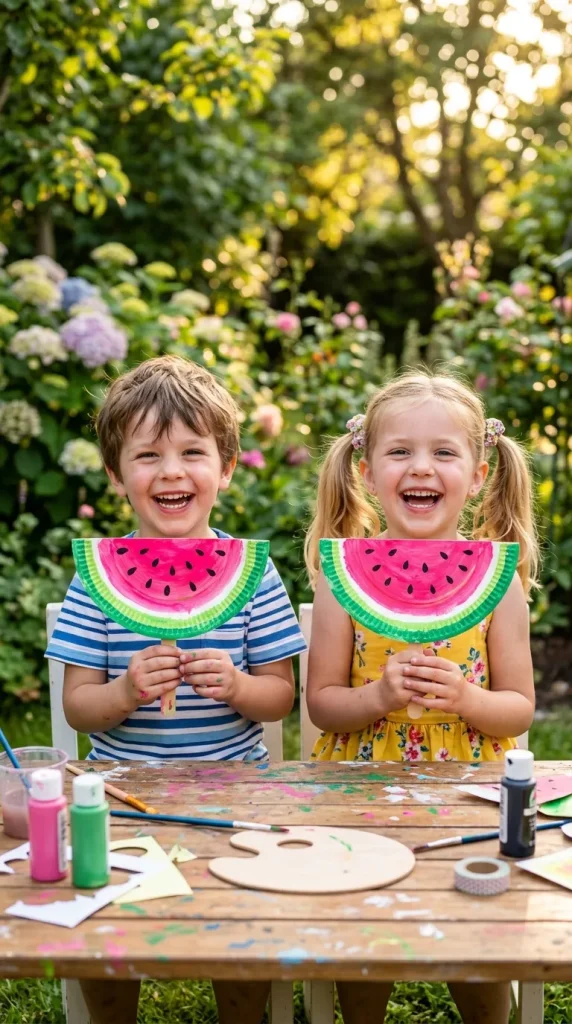
When the summer heat rolls in, there is nothing better than a functional craft. These colorful hand fans are made by cutting standard paper plates in half, letting kids paint them in bright, sunny color palettes, and attaching a sturdy wooden craft stick to the base.
- Who It Suits Best: Ideal for toddlers and preschoolers who are just mastering their grip and exploring bold color mixing.
- How to Make & Style: Paint the plate to look like fruit slices—think watermelons, kiwis, or lemons—and add tiny black marker seeds for a whimsical look.
- Benefits: Helps develop basic brush control, teaches color recognition, and gives kids a functional tool to cool themselves down during outdoor playtime.
2. Upcycled Tissue Roll Binoculars
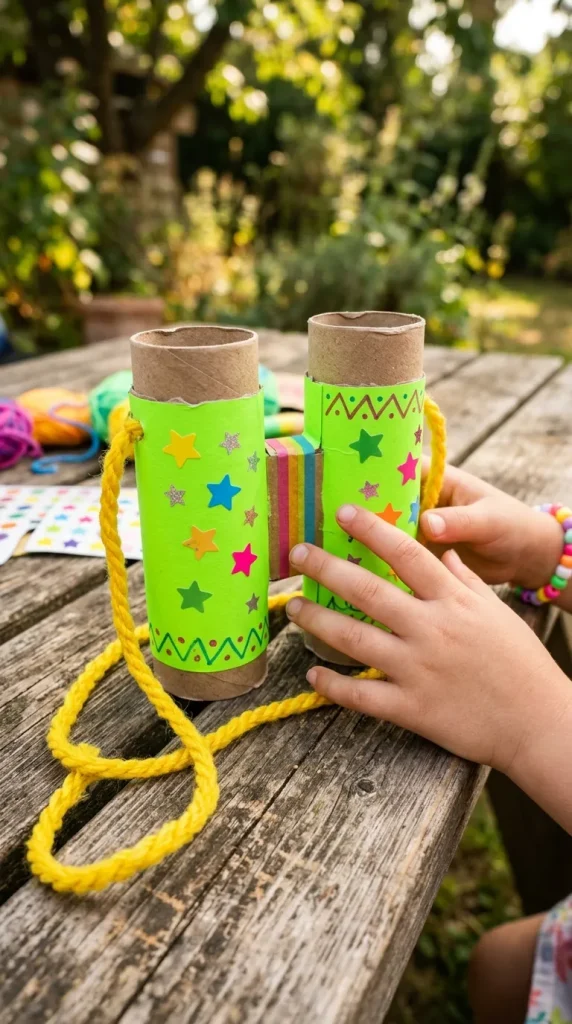
Instead of tossing out your cardboard toilet paper rolls or paper towel tubes, tape two of them together side-by-side to create a pair of adventure binoculars. Kids can decorate them with stickers, paint, or construction paper, and you can punch a hole on the sides to attach a safe yarn strap.
- Who It Suits Best: Perfect for adventurous toddlers and young elementary school children who love playing pretend or going on outdoor scavenger hunts.
- How to Make & Style: Wrap the tubes in camouflage colored paper or bright neons. Once completed, take them outside for a backyard “safari” to spot birds and unique bugs.
- Benefits: Encourages recycling awareness, sparks imaginative outdoor play, and requires almost zero expensive craft store supplies.
3. Vibrant Sand Art Jars
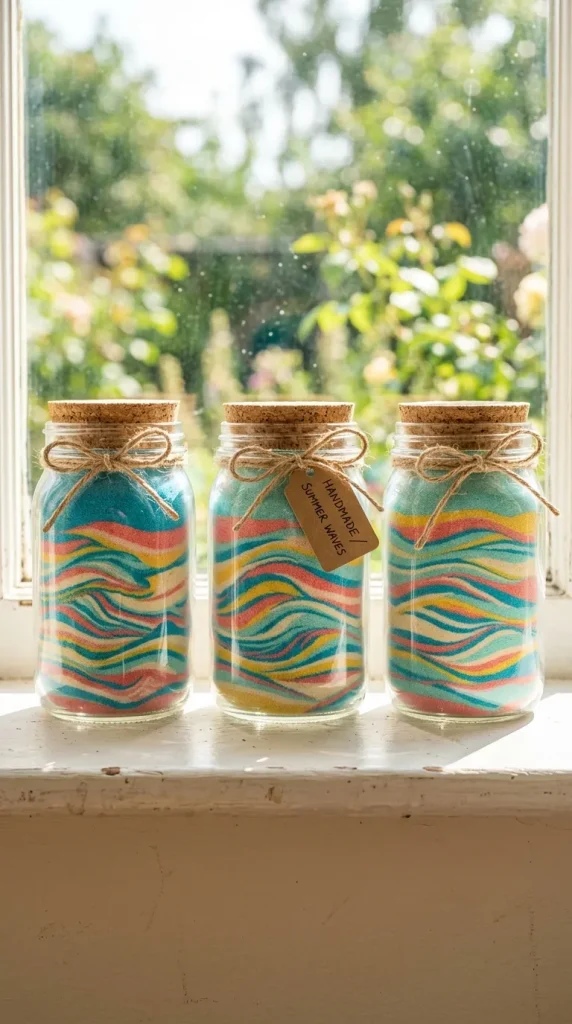
Sand art is a classic summer pastime. Using clear glass mason jars or clean plastic containers, kids use a small funnel to layer different colors of fine craft sand into beautiful, wavy geometric strata. For a budget-friendly alternative, you can make your own “sand” by mixing standard table salt with a few drops of food coloring.
- Who It Suits Best: Best suited for older elementary kids (ages 6 and up) who have the patience and steady hand needed to layer the material cleanly.
- How to Make & Style: Tilt the jar slightly as you pour each layer to create dynamic, rolling wave patterns instead of flat lines. Seal the top with a cork or lid and wrap twine around the neck.
- Benefits: Builds hand-eye coordination, encourages patience, and results in a stunning piece of shelf decor for their bedroom.
4. DIY Sun Catchers
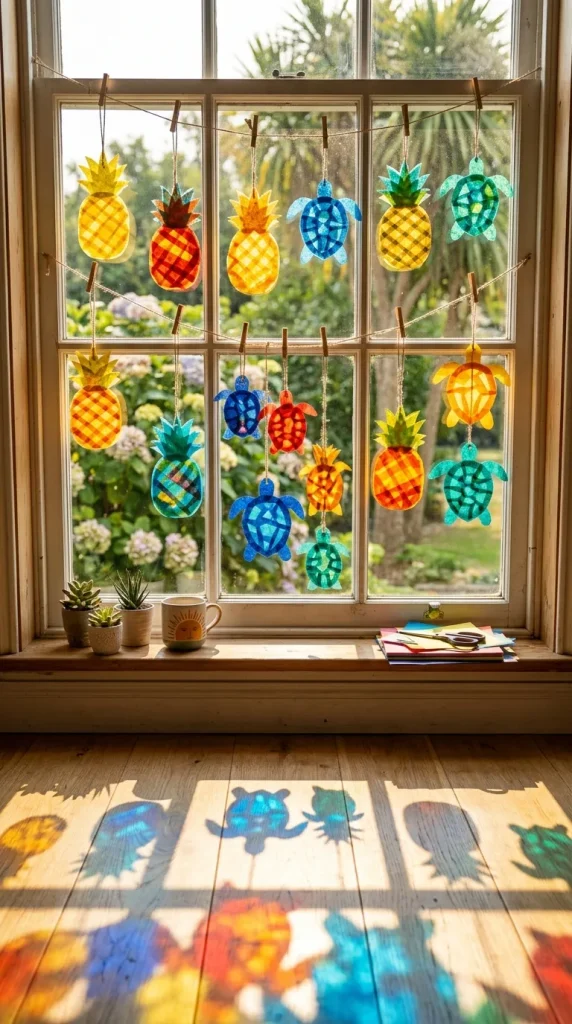
Capture the brilliant summer sunlight by creating beautiful, translucent window art. Cut out a frame from black construction paper, place it down on a sticky sheet of clear contact paper, and let your kids fill the empty space with small, colorful squares of tissue paper. Seal it with another layer of contact paper and tape it to a sunny window.
- Who It Suits Best: A wonderful multi-age project that toddlers can do with simple tissue squares, while older kids can create intricate stained-glass mosaic designs.
- How to Make & Style: Cut the black paper frames into festive summer shapes like pineapples, sunglasses, flip-flops, or sea turtles.
- Benefits: Teaches spatial awareness and fine motor precision, and creates instant, cheerful home decor that changes beautifully throughout the day as light shifts.
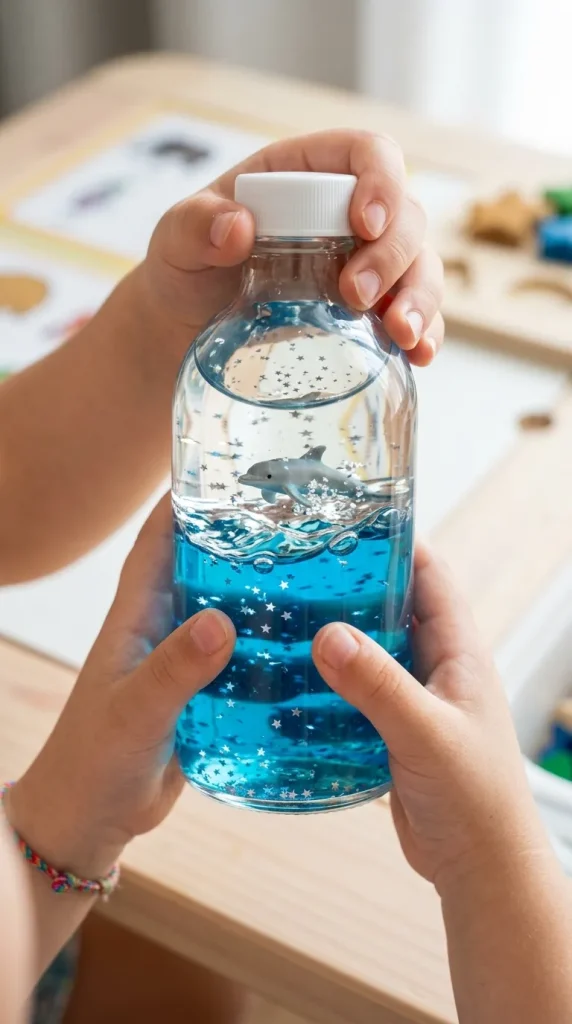
5. Ocean Zone Sensory Bottles
Bring the calming magic of the sea indoors. Fill a clean, clear plastic water bottle halfway with warm water, add a few drops of blue food coloring, and fill the remaining half with baby oil or cooking oil. Drop in a bit of fine silver glitter and a few tiny plastic sea creatures or small seashells before gluing the cap securely shut.
- Who It Suits Best: Excellent for toddlers and sensory-seeking children who benefit from calming, visual focus tools.
- How to Make & Style: Use hot glue or strong duct tape to seal the cap to prevent any accidental ocean spills in your living room.
- Benefits: Teaches basic science principles (density and oil-and-water separation) while acting as a fantastic, reusable calming tool during quiet time.
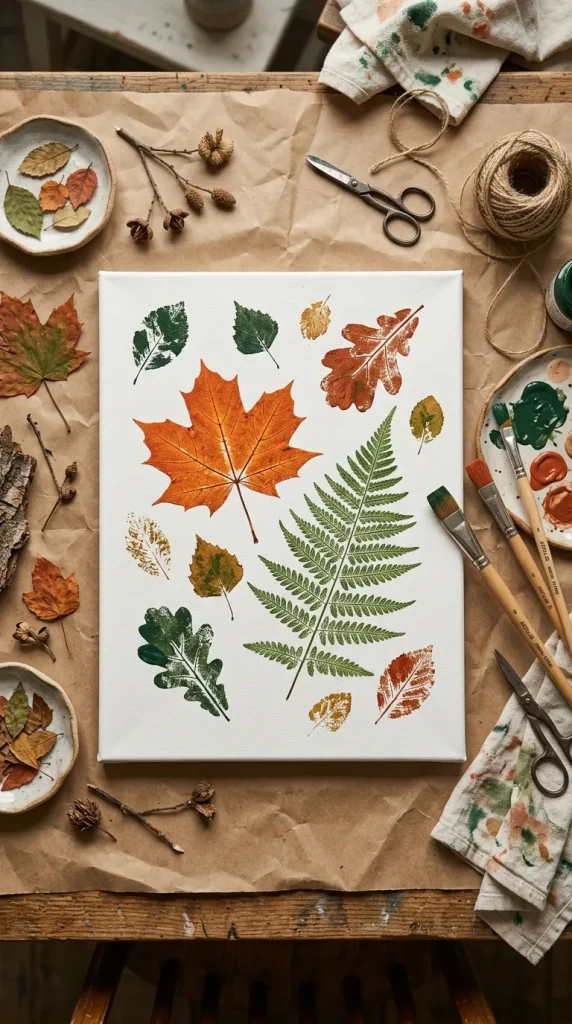
6. Nature-Print Canvas Art
Combine an outdoor walk with an indoor art session! Take your kids on a quick neighborhood stroll to collect sturdy leaves, ferns, flowers, and twigs with interesting textures. Back at home, they can gently brush acrylic paint onto one side of their natural treasures and press them firmly onto a canvas or heavy paper cardstock to leave beautiful, detailed botanical prints.
- Who It Suits Best: Great for older elementary kids and pre-teens who want to explore genuine graphic art techniques and fine textures.
- How to Make & Style: Use contrasting colors—like white paint prints on a deep blue or black background, or bright neon prints on a clean white canvas.
- Benefits: Connects children deeply with the natural world, encourages observation skills, and yields sophisticated, frame-worthy artwork.
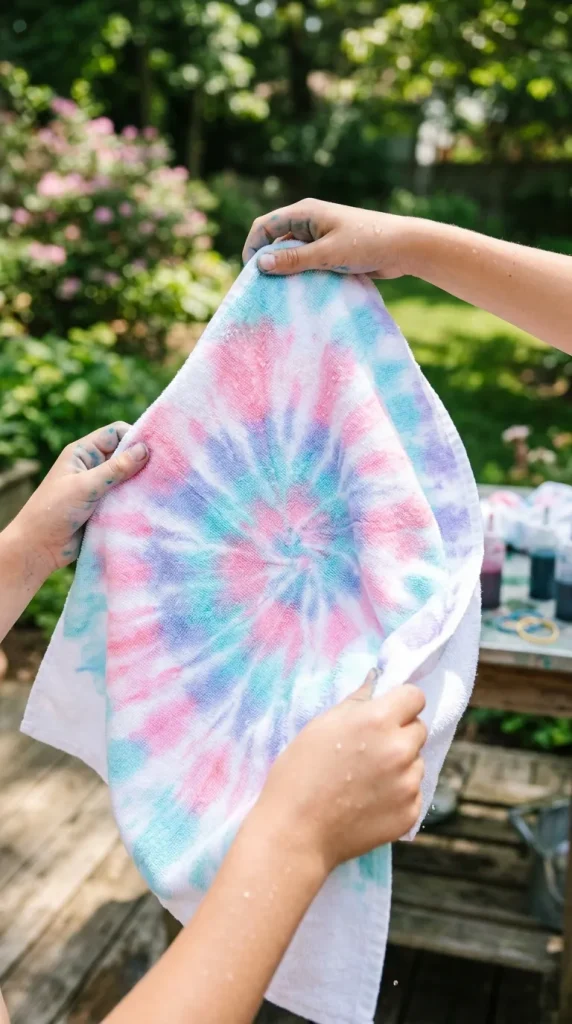
7. Tie-Dye Watercolor Towels
Traditional tie-dye with fabric dye can be incredibly messy and stressful for parents. This kid-friendly alternative uses lightweight, white cotton flour sack towels or large coffee filters. Kids fold the fabric, tie it loosely with rubber bands, and drop liquid watercolors or diluted food coloring onto the sections using plastic pipettes or medicine droppers.
- Who It Suits Best: Perfect for creative elementary students who love messy, vibrant color experiments.
- How to Make & Style: Once dry, these colorful cloths make beautiful, reusable kitchen towels, placemats, or doll blankets.
- Benefits: Introduces the basic art of textile design and color bleeding theory while significantly reducing the harsh chemicals and heavy stains of commercial dyes.
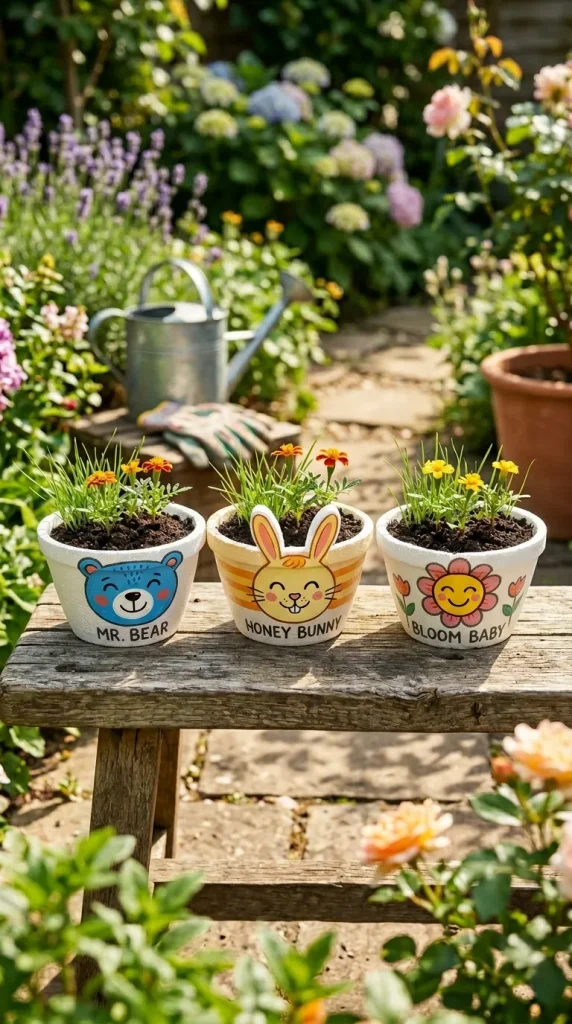
8. Recycled Thermocol Plant Pots
Don’t throw away leftover foam or thermocol bowls from summer picnics! Turn them upside down or use them right-side up as lightweight, insulated planters. Kids can paint the exterior using acrylic paints, poke a small drainage hole through the bottom with a pen, fill it with potting soil, and plant quick-sprouting seeds like marigolds or basil.
- Who It Suits Best: Perfect for budding young gardeners and kids who love getting their hands dirty in the soil.
- How to Make & Style: Paint the outside of the bowl with fun, quirky faces so that when the green grass or herbs sprout up, it looks like the pot is growing a wild head of hair.
- Benefits: Combines crafting with an ongoing, long-term lessons in biology, responsibility, and plant care.
9. Homemade Bird Feeders
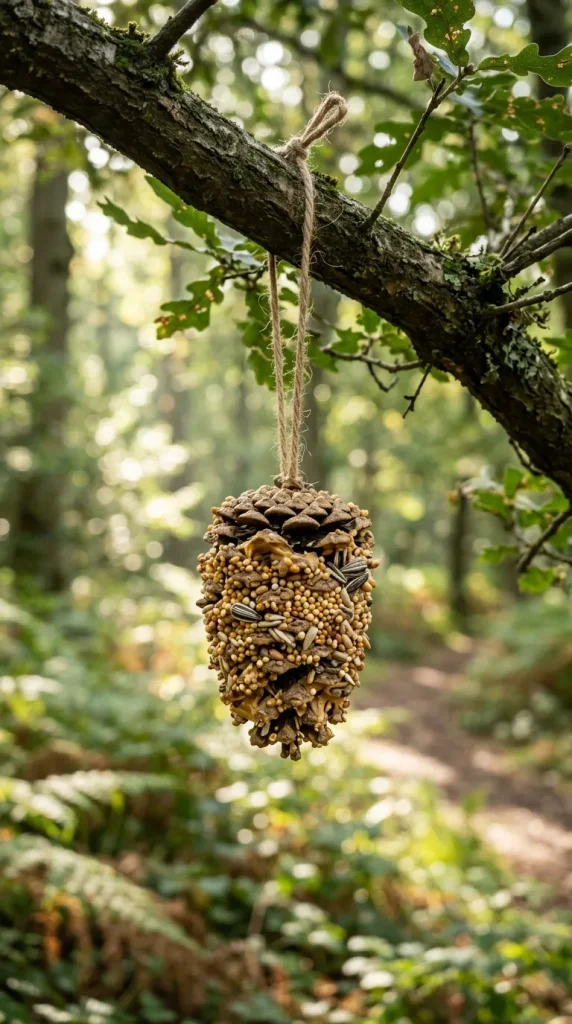
Help out your local wildlife during the dry summer months by making a simple, eco-friendly bird feeder. Have your kids coat a large pinecone or a sturdy cardboard paper towel tube in a layer of sun-butter or peanut butter, then roll it through a shallow tray filled to the brim with mixed wild birdseed until it is fully coated. Hang it from a sturdy tree branch with a loop of twine.
- Who It Suits Best: Wonderful for nature-loving toddlers and elementary students who enjoy wildlife spotting.
- How to Make & Style: Hang the finished feeders directly outside a living room window so your kids can comfortably sit inside and check off different bird species in a notebook.
- Benefits: Teaches empathy for animals, encourages observation skills, and provides a tactile, sensory-rich building experience.
10. Seashell Memory Mandalas
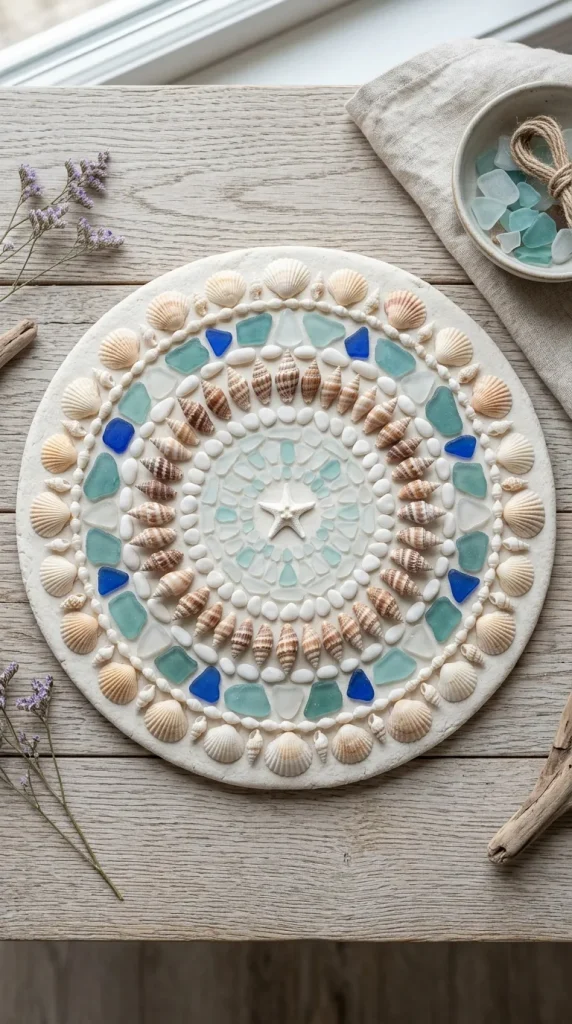
If you are lucky enough to take a trip to the beach this summer, you will likely end up with a pocket full of miscellaneous shells, smooth sea glass, and unique pebbles. Back at home, kids can arrange these treasures in circular, geometric mandala patterns on a thick cardboard circle base using non-toxic school glue, or press them gently into a flat disc of homemade salt dough.
- Who It Suits Best: A deeply relaxing, meditative craft that is suitable for all ages, including older kids and adults looking to unwind.
- How to Make & Style: Arrange the shells symmetrically starting from the center outward, balancing colors and sizes. If using salt dough, bake it on low heat to preserve the memory piece forever.
- Benefits: Promotes mindfulness, spatial symmetry, and serves as an incredibly personal, beautiful visual journal of your family vacation.
Pro Tips for a Smooth, Stress-Free Crafting Session
Keeping craft time fun requires a bit of smart organization on the parent’s part.
💡 The Golden Rules of Hassle-Free Kids Crafting
- Embrace the “Tray Method”: Give each child a cheap plastic serving tray or a rimmed baking sheet to work on. This keeps loose beads, rolling markers, spilled sand, and wet paint contained to one easily wipeable surface.
- Dress for Mess: Keep a designated stash of oversized, old adult t-shirts to slip over your children’s clothes as crafting aprons. If they get paint on them, there’s no stress!
- Set Up a Wash Station: Keep a pack of damp baby wipes or a wet towel right on the table before you start. This stops kids from running to the bathroom with paint-covered hands and tracking smudges across your walls and doorknobs.
- Let Go of Perfection: The goal of children’s crafts is the process, not the final product. If their rainbow fan looks messy or their sand art layers get mixed up, praise their effort and creativity rather than trying to fix it for them.
Common Mistakes to Avoid to Keep Things Fun
To avoid tears and frustration at the kitchen table, try to avoid these frequent crafting pitfalls:
- Using the Wrong Glue: Standard school glue is great for paper, but it won’t hold heavy objects like thick seashells, twigs, or large plastic gems. For heavier materials, use a tacky craft glue or help your child use a low-temperature glue gun.
- Rushing the Drying Process: Kids are notoriously impatient. Moving a wet watercolor painting or a heavy glued project before it completely cures can cause the pieces to slide and ruin their hard work. Set up a designated “drying zone” safely away from high-traffic areas.
- Choosing Age-Inappropriate Projects: If a craft requires too much precise cutting or complex multi-step instructions beyond your child’s developmental level, they will quickly become frustrated, and you will end up doing the entire craft for them. Always scale the project to their current motor skills.
Frequently Asked Questions (FAQs)
1. What are the best mess-free summer crafts for indoors?
If you want to keep cleanup to an absolute minimum, opt for crafts that don’t involve loose liquids. Window sun catchers using contact paper, cardboard binoculars decorated strictly with markers or stickers, and seashell layout mandalas are all fantastic choices that won’t require a deep scrub down of your kitchen table afterward.
2. How can I make crafting affordable using items I already have?
Look no further than your recycling bin and pantry! Cardboard boxes, toilet paper rolls, egg cartons, plastic bottles, and old foam packaging bowls make excellent bases for structural art. For coloring, you can use basic pantry ingredients like table salt mixed with a drop of liquid food coloring to substitute for craft sand, or create homemade stamp pads using non-toxic paint and old kitchen sponges.
3. How do I get acrylic paint out of clothes if an accident happens?
The absolute secret to removing acrylic paint is speed. While the paint is still wet, flush it immediately with warm water and scrub it with a bit of dish soap or laundry detergent. Once acrylic paint dries completely, it turns into a plastic-like layer that is nearly permanent. If it has dried, try soaking the spot with rubbing alcohol before laundering to loosen the bond.
4. What are some good outdoor summer crafts?
When a project involves high mess potential—like nature-print canvas art or tie-dye watercolor towels—take the studio outside! Set up a cheap plastic folding table on the grass, or lay down a large old bedsheet or tarp in the backyard. Not only does it make cleanup as simple as hosing things down, but it also allows kids to express themselves freely without you worrying about your floors.
In Conclusion: Ready to Create Some Summer Memories?
Summer crafts for kids are more than just a smart way to fill a quiet afternoon; they are the moments where lasting family memories are woven together. Whether your backyard turns into a vibrant textile studio with tie-dye watercolors or your windows are brightened by beautiful tissue-paper sun catchers, these hands-on projects give your children a deep sense of accomplishment, pride, and screen-free joy.
The key to a successful crafting season is simplicity, preparation, and letting your expectations relax. Focus on the smiles, the sensory exploration, and the wonder of creation.
Ready to make this summer unforgettable? Pick out your favorite project from this list, gather up your household recyclables, set up your creative station, and watch your child’s imagination soar under the summer sun!